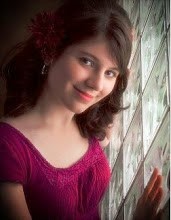
I feel like I’ve always been told or expected that growing up means taking things more seriously, but so far I feel like its just the opposite. They say I’m pretty mature and settled for my age and I feel like quickly, quickly, things are shedding their drama, their chaos, their gravity, if the three are tied together. When I was very small a day was a week and so much was full of mystery, was frightening and dizzying and wonderful/horrible to think about. And as I got older I mastered some of the basic things but still I used to go for runs around the neighborhood and find a quiet place when things built up too big inside of me, when I glimpsed the thought of taking control of my own destiny and the world and my own position within it seemed too scary. Things back then could be tragic and beautiful and I listened to soundtrack music and waited for my own epic to sweep me into things unknown, wild, and dangerous. And once because of a boy I lay on the ground and wanted to die, and some people thought I was too young to feel that way but I know this - that I am too old to feel that way now.
Even in college, as a Freshman, as a Sophomore - I infused certain things with too much drama, too much importance, and connected them in my mind with music, and when I listen to those songs now they fill me with a sort of wonder when I feel the things I felt then, and already those feelings are alien to me, feel odd, a bit silly, and I realize only now certain undertones of fear, the sense of being swept away by destiny - not any grand destiny, just ordinary life - and I think to myself that those undertones aren’t in my life today, that right now, exactly now, I have finally moved past all of that, now I know what’s up and can’t be ruffled by such things. Right.
Of course it may also be a matter of changing the object in question, tackling more difficult stages, but even if I keep moving up like this what happens when I reach the top? It can’t go on forever and it reminds me of the way deep mysteries started vanishing, mirage-like, until the end where you realize things only have this sort of gravity because people decide they do, and of course you yourself as a person included, but for a moment if you sort of step above yourself and look down and even this perspective vanishes… and there are no mysteries. Or maybe you die before things become too clear.
Anyway, I keep climbing, and thinking that I’m clear-sighted at last, because there’s so much that can only be seen in retrospect, looking back and laughing at the things that were so important, that I held onto then, sweaty palmed and desperate.
Showing posts with label reflection. Show all posts
Showing posts with label reflection. Show all posts
July 02, 2010


April 08, 2010
Planes of Existance
Rachel had dreadlocks and did go to Africa, and afterward she cut them off and went to Ireland, and Stephanie posts eerie pictures of mutilated dolls and writes about becoming the person she always was and I think about that and about all of us - Kate, Billie, Stian, Christy, Walaa, osv and the list really goes on and on. With Facebook I see what everyone's up to, all the time, trace their progress somewhat subconsciously, a flicker here and a glimpse there and of course it isn't a perfect, even representation either, but anyway I have this feeling, that we're all evolving. Of course we are. But that's not the point. Sometimes I feel like we are - or were - a fanfiction - there's somehow a sense of inevitability but not the kind that there is in a storybook plot, where the heroes develop along an arch that you anticipate and is pure and regular and they become stronger and wiser and this despite occasional trials and crises. No, that's what I mean when I say it's more like fanfiction - like we're somehow predicted by our earlier selves in a way that's both consistant and surprising, all becoming who we always were.
What I can't work out is whether we were more original then or now - because we're becoming more real, living more in the real world, adapting our madness to reality. There's certainly less fuzzy chaos surrounding us and the simple hints at this and that are manifesting. I don't want to gossip or misinterpret, so I won't use specifics unless they are my own. I for example have traded in forums and all their drama and that certain haze of mysticism and those things that were somehow under the law, under or above reality... and now I want to travel the world, live and learn about other people, other languages... and of course that person was there all the time, under the haze, is now coming into focus. When I sent Elindomiel on her tour, which, if I remember correctly, never got farther than Edoras, that was me, I wanted to explore the real world but I was afraid to reach for it, it was too big and too scary and I remember that time I thought about going up North and I realized I didn't even have a proper concept of what the plane fare would cost and the whole thing disintegrated into something undefined and unreal.
It's a feeling that floats and is hard to describe. I just mean... like fanfiction, the worlds I see my old friends moving in now, from the window of Facebook and the odd email here or there, are of a different quality than being with them every day, slowly their characters are flattened out and I feel that one or the other - new them or old them - must be a parody, an extension of the other that hasn't been fully fleshed out or realized. But it's not the fault of our new technology, though that may add it's own tint or flavour to the experience, it can't be because I see it even in myself, without such a filter. It's just a bit of resistance, some inertia in my mind that resists this idea of development, of a fourth dimension, of a seperation between then and now and the possibility that they can be so different and yet still connected and equally real.
What I can't work out is whether we were more original then or now - because we're becoming more real, living more in the real world, adapting our madness to reality. There's certainly less fuzzy chaos surrounding us and the simple hints at this and that are manifesting. I don't want to gossip or misinterpret, so I won't use specifics unless they are my own. I for example have traded in forums and all their drama and that certain haze of mysticism and those things that were somehow under the law, under or above reality... and now I want to travel the world, live and learn about other people, other languages... and of course that person was there all the time, under the haze, is now coming into focus. When I sent Elindomiel on her tour, which, if I remember correctly, never got farther than Edoras, that was me, I wanted to explore the real world but I was afraid to reach for it, it was too big and too scary and I remember that time I thought about going up North and I realized I didn't even have a proper concept of what the plane fare would cost and the whole thing disintegrated into something undefined and unreal.
It's a feeling that floats and is hard to describe. I just mean... like fanfiction, the worlds I see my old friends moving in now, from the window of Facebook and the odd email here or there, are of a different quality than being with them every day, slowly their characters are flattened out and I feel that one or the other - new them or old them - must be a parody, an extension of the other that hasn't been fully fleshed out or realized. But it's not the fault of our new technology, though that may add it's own tint or flavour to the experience, it can't be because I see it even in myself, without such a filter. It's just a bit of resistance, some inertia in my mind that resists this idea of development, of a fourth dimension, of a seperation between then and now and the possibility that they can be so different and yet still connected and equally real.
March 22, 2010
More Than a Mood
It's been a while now that I've really only been experiencing two moods - stressed and happy. Even the stress - most of it is Eustress. After all, in the last week, I've gone on a fancy and professional-like trip to Kansas City, ate dinner with a bunch of legitimate travel journalists, pulled off my first interview, helped organize and serve in two service projects (one of them was basically my baby), held a relatively good event here at South, helped mediate roommate conflicts, called 911 and dealt with that whole scene, and run around like one of the Local-Food-For-Local-People vegetables getting recommendations and advising appointments.
Mostly, I just feel happy - eager and full of bright energy, almost as if I can see it emanating from my skin. At a party on Friday, I felt so at ease, talking to everyone - switching easily from English to Spanish to German and even to bits of Norwegian and Italian and not feeling any shame or nerves, somehow. (And no, I didn't have a drink. ;))
The tiniest things are bringing me to my knees with their beauty. I mean - even a leaf, a few pine needles against the sky - and half the time not even reverting to viewing them as miniatures. Everything's lovely, everything...
And I feel just so grateful and content, lucky that I have sharp eyes and good ears and soft skin and strong legs to stand on. I feel confident, powerful. There's a certain cockiness in my voice that I haven't heard there since high school. And yet other times I feel polite, sweet, and appropriate - without feeling that I'm playing a role.
I'm scared about study abroad, of course, but it's the kind of fear that sends goosebumps down my arms and puts a slow, wicked sort of grin on my face. After all, if I can't do it, who can?
I need new clothes. I'm sick of wearing the same shirts again and again, I'm sick of all the ones from high school. I need new shoes. I've got to compromise for the sake of my feet, but maybe some black tennis shoes at least. And some non-tennis shoes that I can properly walk in. In a dark and neutral colour. No more white. That won't fly, not in Spain.
We're breaking through a little bit in Catalan, starting to feel the way it shifts from Spanish, like Italian... starting to get a handle on it... and in Journalism too, we're finally doing content, I'm finally not only paying attention but riveted. They've exhausted their thesaurus' entry on Plagiarism at last and are talking about different ways to communicate - not only written, but also visual - graphs, charts, list.... what's interesting, what communicates... because that's the point!
And I'm understanding, that it's all about the stories, the stories! And the feelings! And coincidentally I can do that. I can tell stories. Just have to push myself and not hide behind what's easiest. Academia is interesting and I'm good at that, but maybe too good. I can push myself but only though, there, not out and into anything, no surprises, nothing new... And my affair with books, with dust, with the darkest corners of the library - it's loosening it's control on me, somehow. I haven't forgotten it's attraction, but...
There's the whole world to see. It's every colour every smell every sound and it's real and I want to be out there in it. No more dark and gothic Elindomiel, no more spritely and cute Ellie or Mira-chan, either. I've no excuse whatsoever for sorrow, and I don't wish to be cartoonised. I'll be Miranda, all warm flesh tones, running as fast as I can and laughing too, experiencing the wonders of the world with every sense, and nevermind the ones who tell me this part or that is uninteresting or ugly, what do they know? Miniaturize, shoot up the contrast or the saturation in your minds eye, and soon you no longer need to, I think, to see what's wonderful in every place at every time. If they insist, I'll even stop and photograph it, write about it, so that someone else can feel it too, maybe, that life isn't a ticking clock but a drum beat.
Mostly, I just feel happy - eager and full of bright energy, almost as if I can see it emanating from my skin. At a party on Friday, I felt so at ease, talking to everyone - switching easily from English to Spanish to German and even to bits of Norwegian and Italian and not feeling any shame or nerves, somehow. (And no, I didn't have a drink. ;))
The tiniest things are bringing me to my knees with their beauty. I mean - even a leaf, a few pine needles against the sky - and half the time not even reverting to viewing them as miniatures. Everything's lovely, everything...
And I feel just so grateful and content, lucky that I have sharp eyes and good ears and soft skin and strong legs to stand on. I feel confident, powerful. There's a certain cockiness in my voice that I haven't heard there since high school. And yet other times I feel polite, sweet, and appropriate - without feeling that I'm playing a role.
I'm scared about study abroad, of course, but it's the kind of fear that sends goosebumps down my arms and puts a slow, wicked sort of grin on my face. After all, if I can't do it, who can?
I need new clothes. I'm sick of wearing the same shirts again and again, I'm sick of all the ones from high school. I need new shoes. I've got to compromise for the sake of my feet, but maybe some black tennis shoes at least. And some non-tennis shoes that I can properly walk in. In a dark and neutral colour. No more white. That won't fly, not in Spain.
We're breaking through a little bit in Catalan, starting to feel the way it shifts from Spanish, like Italian... starting to get a handle on it... and in Journalism too, we're finally doing content, I'm finally not only paying attention but riveted. They've exhausted their thesaurus' entry on Plagiarism at last and are talking about different ways to communicate - not only written, but also visual - graphs, charts, list.... what's interesting, what communicates... because that's the point!
And I'm understanding, that it's all about the stories, the stories! And the feelings! And coincidentally I can do that. I can tell stories. Just have to push myself and not hide behind what's easiest. Academia is interesting and I'm good at that, but maybe too good. I can push myself but only though, there, not out and into anything, no surprises, nothing new... And my affair with books, with dust, with the darkest corners of the library - it's loosening it's control on me, somehow. I haven't forgotten it's attraction, but...
There's the whole world to see. It's every colour every smell every sound and it's real and I want to be out there in it. No more dark and gothic Elindomiel, no more spritely and cute Ellie or Mira-chan, either. I've no excuse whatsoever for sorrow, and I don't wish to be cartoonised. I'll be Miranda, all warm flesh tones, running as fast as I can and laughing too, experiencing the wonders of the world with every sense, and nevermind the ones who tell me this part or that is uninteresting or ugly, what do they know? Miniaturize, shoot up the contrast or the saturation in your minds eye, and soon you no longer need to, I think, to see what's wonderful in every place at every time. If they insist, I'll even stop and photograph it, write about it, so that someone else can feel it too, maybe, that life isn't a ticking clock but a drum beat.
March 09, 2010
Drama - More Scientific, More Realistic
In Spanish class they asked us to think about the difference between drama and straight prose, and after a bit of internal grumbling, because, after all, I've always preffered prose because I love words, the more of them the better, the rich descriptions of landscapes and psyche and so on, preferred these to the transcript-style of drama, especially when read.
But after that, I just thought about Belief vs. Communication, Anthropological Theories of Religion. Only one of the two is scientific... Communication.
After all, who can prove who believes in what?
But when we read we know, we're in someone else's head, we hear their real thoughts or so we think... in fiction we can accept it, in creative nonfiction we have to realize that the re-imagined thoughts are basically remixed communication from what they once said.
And it's interesting, because drama isn't like this. Drama is all communication. We guess at thoughts, motivations based on communicated words and body language and actions, just as in the real world.
So drama is more scientific, more realistic...
Not to say it's BETTER,
Ordinary prose just gives more of an insight, a window into another perspective, allows for commentary, and explanation, in a way that isn't fully testable, and so, it's an interesting thought, isn't 100% verifiable or trustworthy.
But after that, I just thought about Belief vs. Communication, Anthropological Theories of Religion. Only one of the two is scientific... Communication.
After all, who can prove who believes in what?
But when we read we know, we're in someone else's head, we hear their real thoughts or so we think... in fiction we can accept it, in creative nonfiction we have to realize that the re-imagined thoughts are basically remixed communication from what they once said.
And it's interesting, because drama isn't like this. Drama is all communication. We guess at thoughts, motivations based on communicated words and body language and actions, just as in the real world.
So drama is more scientific, more realistic...
Not to say it's BETTER,
Ordinary prose just gives more of an insight, a window into another perspective, allows for commentary, and explanation, in a way that isn't fully testable, and so, it's an interesting thought, isn't 100% verifiable or trustworthy.
February 19, 2010
Ensayo Informal/Rima LIII
Another informal response-to poetry essay for Spanish literature class. :) This time we're looking at Becquer's Rima LIII
Love Makes Everything a Weapon
Pensamientos sobre Rima LIII - Las Golondrinas y Las Madreselvas
El amor mejora todo, y después, hace toda un arma. Cuando leí el poema “Rima LIII” por Gustavo Adolfo Bécquer, reconocí esta idea. En este poema, la voz narrativa dice a una chica con quien está enamorado que la primavera si volverá. Será bellísima. Pero no será tan bella como era – cuando estaban juntos. Y encontrarás el amor otra vez, pero nunca alguien que te ama tanto que te amo yo.
Creo que Bécquer usa los imagines naturales de la primavera, porque quiere decir que la vida si continua después del periódico más duro después de la relación. Si, continúe, y las golondrinas volverán y las madreselvas también, pero hay aspectos que no volverán, y en alguna manera las que si volvieran traen con ellas memorias dolorosas. La primavera no es el invierno - hay vida en primavera, pero no la abundancia de vida que viene en el calor del verano. La primavera es algo más frágil y más vulnerable, como un corazón que todavía se esté recuperando. Por la conexión íntima entre las imágenes de la naturaleza y la relación, parece que el amor, para él, primero ha mejorado y después ha dañado a todos los aspectos de la vida, ya ha convertido todo en un arma que puede causar dolor. Esta es una sensación que he sentido yo también.
La primera vez que leí este poema pensaba de una canción de música del campo un poco tonto. Era “Please Remember Me,” por Tim McGraw. En las dos obras, hay una voz poética que habla con una chica, y usando las imágenes de procesos naturalezas que continúan para hablar del fin de una relación, pero los sentimientos son diferentes. Tim dice a la chica que ella debe continuar con su vida y encontrar más felicidad, un amor mejor y más fuerte, y solo la pide a recordar a él. Su tono apesta al martirio, pero la idea es que él quiere que ella este feliz. En contraste, Bécquer parece un poco amargo cuando dice, “Desengáñate: ¡Así no te querrán!”
Me gustan mucho los dos poemas. Los tonos son completamente diferentes, y a veces puedo entender uno más que el otro, y el próximo día es el opuesto. Pero los dos expresan un sentido que el amor cambia todo – lo hace mejor y también peor que antes.
Me parece cuando estamos enamorados, ponemos nuestro amor en todo que vivimos. Todo se pone más bello a causa de este amor, más bello y también más poderoso. Gritamos más, reímos más, sentimos todo con esfuerza. Entonces, cuando la relación llega al fin, todo está de repente algo doloroso. Hay las sombras y los ecos de nuestras memorias por todas partes.
Erase una vez, estaba enamorado y sentí ese amor poner su proprio color en todo en mi vida. Entonces, por semanas después, la cosa más sencilla y delicada – una camisa cierta rayada, la monotonía de las aspas del ventilador en mi techo, una brisa fría que venía del norte, y no puedo mencionar todas las mil palabras, incluso idiomas enteras – todos eran dolorosos, algo que parecía cortar mis tendones de Aquiles. Aun ahora, años después, no hay ningún día en que ninguna cosa hace que pienso en el.
La primera imagen que usa Bécquer es la de las golondrinas que cuelgan sus nidos en el balcón. Estas líneas, de las golondrinas, son mis favoritas en el poema. La imagen de las golondrinas volviendo a sus nidos es fuerte y también da un sentido de ser colocado y en casa, seguro y feliz. Tal vez la pareja del poema tenía sueños de tener un hogar junto, y ahora nunca realizarán esta idea. Las golondrinas que no volverán, dice Bécquer, son las que “el vuelo refrenaban tu hermosura y mi dicha a contemplar.” La palabra dicha me gusta mucho. Es de alguna manera una palabra llena del sol. Solo en leer estas líneas, sentía que podía ver la pareja, riendo juntos en un cuarto asoleado, con las golondrinas pasando afuera.
Después, habla Bécquer sobre las madreselvas que escalan las tapias en el jardín, y aquí soy menos segura de lo que me hacen sentir las imágenes. Es algo más sombrío, más adulto. También hay hermosura, pero menos sol. Me gustaría saber más sobre estas líneas.
Es difícil para mí también entender los sentimientos exactos de la voz poética hasta la chica con quien habla. Esta triste, ¿pero que mas? ¿Hay amargura también? La línea repetida, “Esas… ¡no volverán!” tiene una esfuerza considerable y parece enfadado. Y la línea final, “Desengáñate: ¡Así no te querrán!” no solo tiene esfuerza pero también un sentido de la mofa. Al mismo tiempo, no hace ningún secreto, ni por su orgullo ni su amargura, de que feliz era, cuando estaba con ella, y como toda la naturaleza ha convertido en un espejo por ver el amor que no tiene ahora.
Love Makes Everything a Weapon
Pensamientos sobre Rima LIII - Las Golondrinas y Las Madreselvas
El amor mejora todo, y después, hace toda un arma. Cuando leí el poema “Rima LIII” por Gustavo Adolfo Bécquer, reconocí esta idea. En este poema, la voz narrativa dice a una chica con quien está enamorado que la primavera si volverá. Será bellísima. Pero no será tan bella como era – cuando estaban juntos. Y encontrarás el amor otra vez, pero nunca alguien que te ama tanto que te amo yo.
Creo que Bécquer usa los imagines naturales de la primavera, porque quiere decir que la vida si continua después del periódico más duro después de la relación. Si, continúe, y las golondrinas volverán y las madreselvas también, pero hay aspectos que no volverán, y en alguna manera las que si volvieran traen con ellas memorias dolorosas. La primavera no es el invierno - hay vida en primavera, pero no la abundancia de vida que viene en el calor del verano. La primavera es algo más frágil y más vulnerable, como un corazón que todavía se esté recuperando. Por la conexión íntima entre las imágenes de la naturaleza y la relación, parece que el amor, para él, primero ha mejorado y después ha dañado a todos los aspectos de la vida, ya ha convertido todo en un arma que puede causar dolor. Esta es una sensación que he sentido yo también.
La primera vez que leí este poema pensaba de una canción de música del campo un poco tonto. Era “Please Remember Me,” por Tim McGraw. En las dos obras, hay una voz poética que habla con una chica, y usando las imágenes de procesos naturalezas que continúan para hablar del fin de una relación, pero los sentimientos son diferentes. Tim dice a la chica que ella debe continuar con su vida y encontrar más felicidad, un amor mejor y más fuerte, y solo la pide a recordar a él. Su tono apesta al martirio, pero la idea es que él quiere que ella este feliz. En contraste, Bécquer parece un poco amargo cuando dice, “Desengáñate: ¡Así no te querrán!”
Me gustan mucho los dos poemas. Los tonos son completamente diferentes, y a veces puedo entender uno más que el otro, y el próximo día es el opuesto. Pero los dos expresan un sentido que el amor cambia todo – lo hace mejor y también peor que antes.
Me parece cuando estamos enamorados, ponemos nuestro amor en todo que vivimos. Todo se pone más bello a causa de este amor, más bello y también más poderoso. Gritamos más, reímos más, sentimos todo con esfuerza. Entonces, cuando la relación llega al fin, todo está de repente algo doloroso. Hay las sombras y los ecos de nuestras memorias por todas partes.
Erase una vez, estaba enamorado y sentí ese amor poner su proprio color en todo en mi vida. Entonces, por semanas después, la cosa más sencilla y delicada – una camisa cierta rayada, la monotonía de las aspas del ventilador en mi techo, una brisa fría que venía del norte, y no puedo mencionar todas las mil palabras, incluso idiomas enteras – todos eran dolorosos, algo que parecía cortar mis tendones de Aquiles. Aun ahora, años después, no hay ningún día en que ninguna cosa hace que pienso en el.
La primera imagen que usa Bécquer es la de las golondrinas que cuelgan sus nidos en el balcón. Estas líneas, de las golondrinas, son mis favoritas en el poema. La imagen de las golondrinas volviendo a sus nidos es fuerte y también da un sentido de ser colocado y en casa, seguro y feliz. Tal vez la pareja del poema tenía sueños de tener un hogar junto, y ahora nunca realizarán esta idea. Las golondrinas que no volverán, dice Bécquer, son las que “el vuelo refrenaban tu hermosura y mi dicha a contemplar.” La palabra dicha me gusta mucho. Es de alguna manera una palabra llena del sol. Solo en leer estas líneas, sentía que podía ver la pareja, riendo juntos en un cuarto asoleado, con las golondrinas pasando afuera.
Después, habla Bécquer sobre las madreselvas que escalan las tapias en el jardín, y aquí soy menos segura de lo que me hacen sentir las imágenes. Es algo más sombrío, más adulto. También hay hermosura, pero menos sol. Me gustaría saber más sobre estas líneas.
Es difícil para mí también entender los sentimientos exactos de la voz poética hasta la chica con quien habla. Esta triste, ¿pero que mas? ¿Hay amargura también? La línea repetida, “Esas… ¡no volverán!” tiene una esfuerza considerable y parece enfadado. Y la línea final, “Desengáñate: ¡Así no te querrán!” no solo tiene esfuerza pero también un sentido de la mofa. Al mismo tiempo, no hace ningún secreto, ni por su orgullo ni su amargura, de que feliz era, cuando estaba con ella, y como toda la naturaleza ha convertido en un espejo por ver el amor que no tiene ahora.
February 03, 2010
Ensayo Informal/Soneto XXIII
The assignment was quite vague, and I may go over this tomorrow after re-rereading the instructions that were given to us. We were basically supposed to write about our feelings and observations from a poem we read in class, and use this writing almost as brainstorming to come up with a good question-topic for a more formal essay to be written later in the semester. I chose Garcilaso de Vega's Soneto XXIII and compared it's interpretation of the Carpe Diem theme with both the original Carpe Diem poem by Horace and modern usage of the term. There was no length specified in the papers, which is mildly unsettling, but this comes in at precisely a page of solid text, slightly over 500 words, and I'm hoping that's about right. Oh, and finally, yes, I had to use that exact structure and style in framing my investigation topic. I'm not happy with that sentence at all but that's what happens when you try to force Miranda to use a rigid format. (bad things)
--------------------------------
Cuando decimos “Carpe Diem”, también decimos “Memento Mori” (Recuerde que morirá). La idea de Carpe Diem, después de todo, es que debemos vivir cuando estamos viviendo, porque en el fin todos vamos a morir. Sin embargo, normalmente este tema de Carpe Diem no es algo espantoso ni macabro, sino una exhortación sencilla a gozar, tomar riesgos, y vivir como si no hay mañana.
La frase Carpe Diem viene originalmente de un poema por Horacio, Carmen XI en Liber I de su Carmina. El hablante trata de convencer su amiga, Lucenoe, a gozar la vida, vivir en el momento sin pensar en el fin de la vida, no importa cuándo viene. Dice “Sé sensata, filtra tus vinos, y adapta al breve espacio de tu vida una esperanza larga… Carpe diem, no te fíes del mañana.” El poema no está espantoso o aún verdaderamente triste - habla de muerte como algo natural, asumido, e inevitable, si viene repentinamente, o como pendiente gradual en vejez. Este poema de Horacio parece algo familiar, porque incorpora el tema de disfrutar de vida antes de que sea demasiado atrasado, y la subestimación de la muerte, que son partes significativos de nuestro uso moderno de la frase Carpe Diem.
Quince siglos después, el poeta español Garcilaso de la Vega utilizó el tema de Carpe Diem en su Soneto XXIII. En contrasto con la poema original de Horacio, el Soneto XXIII tiene un aspecto amenazante y oscuro, una urgencia y una violencia que desarrolla durante las cuatro estrofas. El narrador todavía está hablando a una muchacha, usando imágenes de la naturaleza y de la realidad de la brevedad de la vida para convencerla disfrutar de su juventud, pero del viento que primero disturba el pelo de la muchacha, y luego el sonido áspero del comando, " coged" , y especialmente a la línea, “Marchitará la rosa el viento helado”, con su imagen algo violenta de vientos helados que destruyen la belleza, este soneto todavía tiene la idea de disfrutar de vida, pero añade este miedo de la muerte e incluso de la vejez, que se considera como enemigo violento.
Este poema no parece tan familiar como lo de Horacio. Al principio sentía que su tono oscuro y espantoso eran las resultas de una interpretación única del tema por Garcilaso de Vega. Cuando pensaba más en esto, me parecía que ni el poema original de Horacio ni la interpretación relativamente moderna de Garcilaso de Vega era exactamente igual con cómo utilizamos la expresión “Carpe Diem" hoy. Siento que nuestro uso moderno comparte una urgencia y un sentido de exhortación más fuerte con el poema de Garcilaso de Vega, pero falta su sentido del miedo y de la violencia.
-----------------------------------------------------------
Pregunta de Investigacion:
Investigo las tres diversas interpretaciones del tema de Carpe Diem en el poema original de Horacio, el soneto de Garcilaso de Vega, y uso de la frase como cliché moderno, porqué quiero saber cómo cada poema expresa su interpretación, y cómo las tres interpretaciones se relacionan el uno al otro, con el fin del comprensión del desarrollo de este frase y concepto a través de su historia y con respecto a otras temas similares.
--------------------------------
Cuando decimos “Carpe Diem”, también decimos “Memento Mori” (Recuerde que morirá). La idea de Carpe Diem, después de todo, es que debemos vivir cuando estamos viviendo, porque en el fin todos vamos a morir. Sin embargo, normalmente este tema de Carpe Diem no es algo espantoso ni macabro, sino una exhortación sencilla a gozar, tomar riesgos, y vivir como si no hay mañana.
La frase Carpe Diem viene originalmente de un poema por Horacio, Carmen XI en Liber I de su Carmina. El hablante trata de convencer su amiga, Lucenoe, a gozar la vida, vivir en el momento sin pensar en el fin de la vida, no importa cuándo viene. Dice “Sé sensata, filtra tus vinos, y adapta al breve espacio de tu vida una esperanza larga… Carpe diem, no te fíes del mañana.” El poema no está espantoso o aún verdaderamente triste - habla de muerte como algo natural, asumido, e inevitable, si viene repentinamente, o como pendiente gradual en vejez. Este poema de Horacio parece algo familiar, porque incorpora el tema de disfrutar de vida antes de que sea demasiado atrasado, y la subestimación de la muerte, que son partes significativos de nuestro uso moderno de la frase Carpe Diem.
Quince siglos después, el poeta español Garcilaso de la Vega utilizó el tema de Carpe Diem en su Soneto XXIII. En contrasto con la poema original de Horacio, el Soneto XXIII tiene un aspecto amenazante y oscuro, una urgencia y una violencia que desarrolla durante las cuatro estrofas. El narrador todavía está hablando a una muchacha, usando imágenes de la naturaleza y de la realidad de la brevedad de la vida para convencerla disfrutar de su juventud, pero del viento que primero disturba el pelo de la muchacha, y luego el sonido áspero del comando, " coged" , y especialmente a la línea, “Marchitará la rosa el viento helado”, con su imagen algo violenta de vientos helados que destruyen la belleza, este soneto todavía tiene la idea de disfrutar de vida, pero añade este miedo de la muerte e incluso de la vejez, que se considera como enemigo violento.
Este poema no parece tan familiar como lo de Horacio. Al principio sentía que su tono oscuro y espantoso eran las resultas de una interpretación única del tema por Garcilaso de Vega. Cuando pensaba más en esto, me parecía que ni el poema original de Horacio ni la interpretación relativamente moderna de Garcilaso de Vega era exactamente igual con cómo utilizamos la expresión “Carpe Diem" hoy. Siento que nuestro uso moderno comparte una urgencia y un sentido de exhortación más fuerte con el poema de Garcilaso de Vega, pero falta su sentido del miedo y de la violencia.
-----------------------------------------------------------
Pregunta de Investigacion:
Investigo las tres diversas interpretaciones del tema de Carpe Diem en el poema original de Horacio, el soneto de Garcilaso de Vega, y uso de la frase como cliché moderno, porqué quiero saber cómo cada poema expresa su interpretación, y cómo las tres interpretaciones se relacionan el uno al otro, con el fin del comprensión del desarrollo de este frase y concepto a través de su historia y con respecto a otras temas similares.
Quam Minimum Credula Postero
I know, I know, I can't get enough of Carpe Diem, can I? Well, the madness should soon be over. I've ended up doing a Spanish paper on just that topic, and thoroughly investigating the matter academically should put the obsession to rest once and for all.
Right now I'm thinking about what people generally mean when they say "Carpe Diem". They know that the most popular literal translation is "Seize the Day", so often that's what they're saying - "Take this day and use it." Use is the keyword. It wouldn't be strange to hear a teacher saying, "Okay, there's lots to do, so carpe diem!"
But that's really the opposite of what Horace meant the phrase to mean. In his, the original, the full line reads "carpe diem, quam minimum credula postero." - "seize/take the day, trusting as little as possible in tomorrow." This is hardly an exhortation to work hard, and the rest of the poem is no 'better'! Instead of "Take this day and use it," he seems to be saying, "Take this day and enjoy it." instead of spending your whole life preparing for an uncertain future.
This isn't meant to be a judgment on either use of the word Carpe Diem. They're really both legitimate in different situations. Yes, the words were Horace's originally, but it's been a good long time and I think his copyright's run out. Actually I find myself laughing at either interpretation in different moods.
After a bit of research, I made this little cheat sheet of Latin phrases that are used to remind people of their own impending mortality, their literal translations, and their most common interpretations:
Different Latin Philosophies for Considering your Upcoming and Inevitable Death:
Memento Mori Lit: Remember You Must Die.
Interpretation: Be humble, you are only human, only mortal. (Often used religiously)
Carpe Diem Lit: Seize/Take the Day.
Interpretation I: Don't plan too far ahead, don't take things too seriously, tomorrow may not come, so relax and enjoy life's pleasures. (Horace)
Interpretation II: Make as much use of today as you possibly can. Enjoyment is still a legitimate use, but so is hard work, taking risks, and other ambitious things, largely ignoring Horace's original use. (Popular Modern)
Ubi Sunt Lit: Where Are They (Now)?
Interpretation: Where are they now? They were important, but now they're dead and pushing up daisies. A whole lot of good living did them. (The Least Instructive)
Right now I'm thinking about what people generally mean when they say "Carpe Diem". They know that the most popular literal translation is "Seize the Day", so often that's what they're saying - "Take this day and use it." Use is the keyword. It wouldn't be strange to hear a teacher saying, "Okay, there's lots to do, so carpe diem!"
But that's really the opposite of what Horace meant the phrase to mean. In his, the original, the full line reads "carpe diem, quam minimum credula postero." - "seize/take the day, trusting as little as possible in tomorrow." This is hardly an exhortation to work hard, and the rest of the poem is no 'better'! Instead of "Take this day and use it," he seems to be saying, "Take this day and enjoy it." instead of spending your whole life preparing for an uncertain future.
This isn't meant to be a judgment on either use of the word Carpe Diem. They're really both legitimate in different situations. Yes, the words were Horace's originally, but it's been a good long time and I think his copyright's run out. Actually I find myself laughing at either interpretation in different moods.
After a bit of research, I made this little cheat sheet of Latin phrases that are used to remind people of their own impending mortality, their literal translations, and their most common interpretations:
Different Latin Philosophies for Considering your Upcoming and Inevitable Death:
Memento Mori Lit: Remember You Must Die.
Interpretation: Be humble, you are only human, only mortal. (Often used religiously)
Carpe Diem Lit: Seize/Take the Day.
Interpretation I: Don't plan too far ahead, don't take things too seriously, tomorrow may not come, so relax and enjoy life's pleasures. (Horace)
Interpretation II: Make as much use of today as you possibly can. Enjoyment is still a legitimate use, but so is hard work, taking risks, and other ambitious things, largely ignoring Horace's original use. (Popular Modern)
Ubi Sunt Lit: Where Are They (Now)?
Interpretation: Where are they now? They were important, but now they're dead and pushing up daisies. A whole lot of good living did them. (The Least Instructive)
January 30, 2010
New Years Resolutions
1.) Live a Simpler Life
This is a good one because I'll probably achieve it in some way or another. Throughout my childhood I thrived in chaos and the idea of perfect order is still scary to me, but I've discovered the benefits of a healthy balance recently. I'd like to be more organized, get rid of some of my clutter - also keep better track of appointments and stuff. I'd even like my computer to run a little better, as it should if I take better care of it. I also just kept my emotions more simple and clear last semester, if that makes sense, and I don't want to let go of the lessons I learned from that. They've made me happier.
2.) Start Studying Abroad
My study abroad plans are still in limbo. I really hope that's resolved soon, and definitely by next year I'll have started studying abroad, even on the off chance that it's not next fall but rather next winter semester that's my first abroad.
3.) Start Thinking more about Journalism
Technically I still have another year or so before this becomes really essential. I'll study abroad for a year and still be firmly rooted in academia with no end in sight. I won't even start my sequence classes until I return. But I still need to start thinking about internships and such.
4.) Language Goals (of course...)
I'd like to learn some Hindi, focus a lot on Spanish and German since I'm taking those classes and probably studying there next year, and learn Catalan since I'm in that class, and, with the time I have left over, work on Faroese.
This is a good one because I'll probably achieve it in some way or another. Throughout my childhood I thrived in chaos and the idea of perfect order is still scary to me, but I've discovered the benefits of a healthy balance recently. I'd like to be more organized, get rid of some of my clutter - also keep better track of appointments and stuff. I'd even like my computer to run a little better, as it should if I take better care of it. I also just kept my emotions more simple and clear last semester, if that makes sense, and I don't want to let go of the lessons I learned from that. They've made me happier.
2.) Start Studying Abroad
My study abroad plans are still in limbo. I really hope that's resolved soon, and definitely by next year I'll have started studying abroad, even on the off chance that it's not next fall but rather next winter semester that's my first abroad.
3.) Start Thinking more about Journalism
Technically I still have another year or so before this becomes really essential. I'll study abroad for a year and still be firmly rooted in academia with no end in sight. I won't even start my sequence classes until I return. But I still need to start thinking about internships and such.
4.) Language Goals (of course...)
I'd like to learn some Hindi, focus a lot on Spanish and German since I'm taking those classes and probably studying there next year, and learn Catalan since I'm in that class, and, with the time I have left over, work on Faroese.
January 22, 2010
Elision
My Spanish is a bit rough around the edges after taking a semester off, but thankfully we've started the semester with something that evens the playing field: poetry. And, in particular, metrics... counting syllables and rhyme schemes and everything else, making note of stress and hiatus and synaloepha.
... Synaloepha? Yeah, that's what I did, too. Called Sinalefa in Spanish, they try to translate it into some overly Greek word I've never seen before. But you know, they longer they talk about it, the more it sounds like good, old, familiar, Elision.
And before I know it we're scanning lines of verse, counting out syllables and bridging vowels together and marking whether each line is llano, agudo, or esdrujulo, and it almost seems strange to me that we're not also making short and long, not looking for double consonants that are one of our best hints, not separating the line into dactyls... because I can do this, because this is an old game.
And suddenly it's hard to make out the Spanish, hard to keep scanning lines of
Desmayarse, atreverse, estar furioso,
áspero, tierno, liberal, esquivo,
alentado, mortal, difunto, vivo,
leal, traidor, cobarde y animoso
Because as I read I feel the pounding of waves, and Lope De Vega is morphing into Virgil.
Postquam altum tenuere rates nec iam amplius ullae
apparent terrae, caelum undique et undique pontus,
tum mihi caeruleus supra caput astitit imber
noctem hiememque ferens, et inhorruit unda tenebris.
And then, it's almost as if I'm back in Latin class, and we're teasing Mir Inaamula about wanting a "good wife" more than a sports car, and some boy I really don't like and whose name I don't remember putting candy on my desk, and it's gross and sweaty from his hands, and Mr. McAllister is trying to explain things but we're all being obstinate, and then Colin (or was it the other one?) is going over to the board and writing a parody of some pop song - I don't know where he comes up with these things - and collide is becoming elide and poor McAllister thinks that's the way the song really goes and suddenly, briefly, has respect for pop culture until we all start laughing, but afterwards I can never hear the song without thinking of it. And one cold day when I leave school late and I'm the only one left in a lot too large to walk through alone, and the song comes out of the big football speakers for some reason, with a hollow sound, and scares the nearby birds into taking flight...
... Synaloepha? Yeah, that's what I did, too. Called Sinalefa in Spanish, they try to translate it into some overly Greek word I've never seen before. But you know, they longer they talk about it, the more it sounds like good, old, familiar, Elision.
And before I know it we're scanning lines of verse, counting out syllables and bridging vowels together and marking whether each line is llano, agudo, or esdrujulo, and it almost seems strange to me that we're not also making short and long, not looking for double consonants that are one of our best hints, not separating the line into dactyls... because I can do this, because this is an old game.
And suddenly it's hard to make out the Spanish, hard to keep scanning lines of
Desmayarse, atreverse, estar furioso,
áspero, tierno, liberal, esquivo,
alentado, mortal, difunto, vivo,
leal, traidor, cobarde y animoso
Because as I read I feel the pounding of waves, and Lope De Vega is morphing into Virgil.
Postquam altum tenuere rates nec iam amplius ullae
apparent terrae, caelum undique et undique pontus,
tum mihi caeruleus supra caput astitit imber
noctem hiememque ferens, et inhorruit unda tenebris.
And then, it's almost as if I'm back in Latin class, and we're teasing Mir Inaamula about wanting a "good wife" more than a sports car, and some boy I really don't like and whose name I don't remember putting candy on my desk, and it's gross and sweaty from his hands, and Mr. McAllister is trying to explain things but we're all being obstinate, and then Colin (or was it the other one?) is going over to the board and writing a parody of some pop song - I don't know where he comes up with these things - and collide is becoming elide and poor McAllister thinks that's the way the song really goes and suddenly, briefly, has respect for pop culture until we all start laughing, but afterwards I can never hear the song without thinking of it. And one cold day when I leave school late and I'm the only one left in a lot too large to walk through alone, and the song comes out of the big football speakers for some reason, with a hollow sound, and scares the nearby birds into taking flight...
Even the best fall down sometimes
Even the wrong words seem to rhyme
Out of the doubt that fills my mind
I somehow find
You and I...
Elide
Even the wrong words seem to rhyme
Out of the doubt that fills my mind
I somehow find
You and I...
Elide
January 18, 2010
Esta Noche
When the weather is too perfect, when there's cold fog or a perfectly clear sky or some other condition that draws attention too strongly, I always think of this poem. I think the most lonely times to be alive are on beautiful nights.
Puedo escribir los versos más tristes esta noche.
Escribir, por ejemplo: "La noche está estrellada,
y tiritan, azules, los astros, a lo lejos."
El viento de la noche gira en el cielo y canta.
Puedo escribir los versos más tristes esta noche.
Yo la quise, y a veces ella también me quiso.
En las noches como esta la tuve entre mis brazos.
La besé tantas veces bajo el cielo infinito.
Ella me quiso, a veces yo también la quería.
Cómo no haber amado sus grandes ojos fijos.
Puedo escribir los versos más tristes esta noche.
Pensar que no la tengo. Sentir que la he perdido.
Oir la noche inmensa, más inmensa sin ella.
Y el verso cae al alma como al pasto el rocío.
Qué importa que mi amor no pudiera guardarla.
La noche esta estrellada y ella no está conmigo.
Eso es todo. A lo lejos alguien canta. A lo lejos.
Mi alma no se contenta con haberla perdido.
Como para acercarla mi mirada la busca.
Mi corazón la busca, y ella no está conmigo.
La misma noche que hace blanquear los mismos árboles.
Nosotros, los de entonces, ya no somos los mismos.
Ya no la quiero, es cierto, pero cuánto la quise.
Mi voz buscaba el viento para tocar su oído.
De otro. Será de otro. Como antes de mis besos.
Su voz, su cuerpo claro. Sus ojos infinitos.
Ya no la quiero, es cierto, pero tal vez la quiero.
Es tan corto el amor, y es tan largo el olvido.
Porque en noches como esta la tuve entre mis brazos,
Aunque este sea el ultimo dolor que ella me causa,
mi alma no se contenta con haberla perdido.
y estos sean los ultimos versos que yo le escribo.
- Pablo Neruda
October 18, 2009
Aware of that Moment
We were all posing on the big statue of St. Louis outside of the Art Museum. Lucia was taking our picture, her back to a wide expanse of Forest Park in fall colours. She looked lovely. There was laughter. I was incredibly aware of that moment - it wasn't simply a sensation of taking a snapshot, or a memory. I was incredibly aware of being right there, right then. Of how in two months Esther and Amy will leave. Of how the six of us shall never meet again by the statue of St. Louis. Of how Allan will leave soon, too. Of how beautiful the fall colours were, of how they change with every day. Of how even Lucia and my time together, which once seemed limitless, will not last forever. Lucia was taking our picture, but I was taking hers, I was taking a picture of all of us, I was thinking about the wide expanse of time before and after, how strange, how arbitrary that I was living this now and soon wouldn't be. And Lucia lowered the camera and started walking towards us, and I fell back into time.
September 04, 2009
Nativity
I'm out on the highway, feeling the engine roar as I accelerate, soaring past miles and miles of my Missouri - grasses green and golden and all the late-summer wildflowers, cresting gentle hills, passing through shadows the setting sun casts through the pines, and I feel free... ordinary... native.
It is a strange and wonderful feeling.
It is a strange and wonderful feeling.
May 31, 2009
Reading
Work consists of whatever a body is obliged to do, and play consists of whatever a body is not obliged to do.
- Mark Twain
For me this is one of those quotes that hits me every time I read it - it just seems to fit so well with how I see the world. Right now I'm applying it towards reading, serious reading, and all those English class accompaniments to serious reading. I mean I've been annotating, without being obliged to annotate.
I've always read a bit, for pleasure. In Elementary School I actually read quite a bit, but I was in Elementary School after all, and a bit confused about what I should read. The school's recommendations were beneath me - I needed big words and small print to be satisfied - and yet I couldn't branch into the world of adult reading thanks to foul language, mature content, and themes beyond my youthful understanding. My dad tried his best to help me, feeding me carefully selected novels from his collection of fantasy and science fiction. I devoured a lot of trash, and even a few classics, such as the Lord of the Rings and Ender's Game, but I never thought a bit about them.
But who wants to be told that there is something above their understanding? What child understands 'patience, you aren't ready, it won't mean what it should to you'? I have always felt fully capable, in possession of all my faculties, awake. And yet, looking back, I was in a mist. I read things and maybe understood the words but none of the meaning.
In Middle School I read what I wanted, and I read voraciously. Still, the depths of meaning inside of many of my books eluded me. By High School I was beginning to understand, but at the same time I found myself losing my taste for fiction. It seemed more useful to read nonfiction, to devour delicious facts and figures instead of adding more soul-searching, brain-twisting classic fiction to the top of my school pile.
Yes, I read for school. And I made fun of taking notes and such because I was obliged to do it. Emerging from high school I rejoiced! English class was over! It didn't bring the same sort of deep seated relief as being done with Math class brought, but the annotation and test routine had grown old. For a year, I read nothing of any real literary merit.
A stack of nonfiction. My textbooks. Colloquial Japanese, Teach Yourself Finnish, a Guide to Faroese. A handful of memoirs, which were nice enough. Mio Min Mio. Brødrene Løvehjerte. Animal Dreams.
And that was it.
And then I came home with just a few books, knowing my mind needed rest but not recognizing the growing hunger in my soul. I began to read, and read... and I found myself responding to the books in a thousand different ways. Then it happened. A dramatic shift, occurring almost unnoticed - I began to annotate.
Changes
I cut my hair. I love long hair but I cut mine. I wanted to be beautiful, mysterious, Elven, something like that. But wearing my hair long didn't change the rest of me into someone long hair looks good on. It's time to get real. And while I'm at it, make some compromises. There is a time for choosing between two extremes, and a time for making a middle road, and I am not an archetype, but rather my own only shot at happiness.
My hair is much shorter now. The ends are soft and renewed. The cut frames my face and brings light to my smile, adds an inch to my height. Alone after a bath, I hardly recognize myself in the mirror. I feel sexy, powerful. Does that seem strange? It does to me.
But listen, it's time to get real. I paint and powder my face, run a black pencil underneath my eyes. Not a lot. I'm getting better at shopping, too. I wear a cute top and a little skirt. Maybe even heels. I look, I feel like a little doll. It's not entirely positive. I prefer the natural light and my own living skin, and anyway we short people don't feel nearly as short without all these things made for ordinary people - clothes, for example.
You know, when I am by myself, I feel normal. The only natural size. I hug my knees to my chest and feel warm and whole and complete. I can't imagine another foot, even another inch, just as you probably can't imagine a third leg or wings shooting from your back. Dressing up in the little skirts I feel consigned to a role, presented, a curiosity, cute as a botton, a little doll. I blame no one, and everyone, for this. I'm frightened, conflicted.
I have always rebelled, either with apathy for the process or by rejecting reality. It's not fair. It's superficial, all surface. It's reality. It does no good to pretend. Sometimes we play roles.
They called me brave last summer. Rohkea. But that sort of bravery is my element. The trip was pure self indulgence. This summer it is different. I am going beyond my comfort zone. Not only that, but I am going to try to bend with it. I am more than a little bit frightened. In the midst of profound changes, I am venturing into a culture that is the opposite of my old self. The culture of Tatemae and Honne.
Am I over-thinking, seeing faces in the branches of trees? Does it seem to no one else that things were meant to fall this way? I am more than a little bit frightened. It's time to get real, learn a lesson all the others learned long ago - to wear a mask without losing myself.
My hair is much shorter now. The ends are soft and renewed. The cut frames my face and brings light to my smile, adds an inch to my height. Alone after a bath, I hardly recognize myself in the mirror. I feel sexy, powerful. Does that seem strange? It does to me.
But listen, it's time to get real. I paint and powder my face, run a black pencil underneath my eyes. Not a lot. I'm getting better at shopping, too. I wear a cute top and a little skirt. Maybe even heels. I look, I feel like a little doll. It's not entirely positive. I prefer the natural light and my own living skin, and anyway we short people don't feel nearly as short without all these things made for ordinary people - clothes, for example.
You know, when I am by myself, I feel normal. The only natural size. I hug my knees to my chest and feel warm and whole and complete. I can't imagine another foot, even another inch, just as you probably can't imagine a third leg or wings shooting from your back. Dressing up in the little skirts I feel consigned to a role, presented, a curiosity, cute as a botton, a little doll. I blame no one, and everyone, for this. I'm frightened, conflicted.
I have always rebelled, either with apathy for the process or by rejecting reality. It's not fair. It's superficial, all surface. It's reality. It does no good to pretend. Sometimes we play roles.
They called me brave last summer. Rohkea. But that sort of bravery is my element. The trip was pure self indulgence. This summer it is different. I am going beyond my comfort zone. Not only that, but I am going to try to bend with it. I am more than a little bit frightened. In the midst of profound changes, I am venturing into a culture that is the opposite of my old self. The culture of Tatemae and Honne.
Am I over-thinking, seeing faces in the branches of trees? Does it seem to no one else that things were meant to fall this way? I am more than a little bit frightened. It's time to get real, learn a lesson all the others learned long ago - to wear a mask without losing myself.
May 26, 2009
Business and Bad Omens
Every day from now to the move is full of appointments. Today I have to see the dermatologist, then go off to school for attempt #2 at a surprise attack, then pedicure, then haircut, then babysitting.
I'm not sure I'll even try to do anything for Japan until I'm in Florida. It's just too hectic here. That said, I'm calling Laura on Sunday to ask her what she's done, and I'll probably go ahead and order my rail pass. I think I'll send everything to her house because it's more permanent, and just in case things get lost in the mail or whatever we're there until the end, so we have the most chance of receiving it.
The days leading up to the move have seen some bad omens:
Bees in the Birdnest:
We tried to take down the birdhouse for Mrs. Maniscalco, because she said she wanted it. I walked across the mulch barefoot towards it, looked down to see no fewer than three spiders, none of them poisonous. I swallowed and kept walking until I had my hands around the long wooden stem of the birdhouse. I heard a fantastic hissing noise and quickly backed up, not knowing whether I had hallucinated or what. My sister tried next and heard the same thing. Bees! She said. And, sure enough, a bee flew out of the hole. My dad went out next and grabbed it, running upstairs with it. We thought there was just the one bee, and eventually it flew off. Then suddenly a whole swarm flew out. My dad finally had to powerwash the inside of the birdhouse with the hose, and afterwards kill up to 20 bees by stomping on them. A bit sad, really, but what could we do? The honeycomb itself, with the honey in it, came out too.
Yesterday I went to that spot and found scores of homeless bees, wandering aimlessly or else sucking the honey from their squashed honeycomb, pieces scattered amoung the dead and blackening bodies of the rest of their family.
The Dead Snake:
In our front yard we have some bricks that line the garden. A snake managed to wedge itself between two of these, and we can only assume that it became stuck there and so died. It was a green-grey snake, and a reasonably sized on. We went over to see it and found that it had been dead a long time. It split open at the gentle poking of a stick, and it was crawling with maggots from tail up.
I'm not sure I'll even try to do anything for Japan until I'm in Florida. It's just too hectic here. That said, I'm calling Laura on Sunday to ask her what she's done, and I'll probably go ahead and order my rail pass. I think I'll send everything to her house because it's more permanent, and just in case things get lost in the mail or whatever we're there until the end, so we have the most chance of receiving it.
The days leading up to the move have seen some bad omens:
Bees in the Birdnest:
We tried to take down the birdhouse for Mrs. Maniscalco, because she said she wanted it. I walked across the mulch barefoot towards it, looked down to see no fewer than three spiders, none of them poisonous. I swallowed and kept walking until I had my hands around the long wooden stem of the birdhouse. I heard a fantastic hissing noise and quickly backed up, not knowing whether I had hallucinated or what. My sister tried next and heard the same thing. Bees! She said. And, sure enough, a bee flew out of the hole. My dad went out next and grabbed it, running upstairs with it. We thought there was just the one bee, and eventually it flew off. Then suddenly a whole swarm flew out. My dad finally had to powerwash the inside of the birdhouse with the hose, and afterwards kill up to 20 bees by stomping on them. A bit sad, really, but what could we do? The honeycomb itself, with the honey in it, came out too.
Yesterday I went to that spot and found scores of homeless bees, wandering aimlessly or else sucking the honey from their squashed honeycomb, pieces scattered amoung the dead and blackening bodies of the rest of their family.
The Dead Snake:
In our front yard we have some bricks that line the garden. A snake managed to wedge itself between two of these, and we can only assume that it became stuck there and so died. It was a green-grey snake, and a reasonably sized on. We went over to see it and found that it had been dead a long time. It split open at the gentle poking of a stick, and it was crawling with maggots from tail up.
May 21, 2009
The End of Endless Possibilities
This is what happens:
We move on from the brilliant light show of our hopes and dreams, endless possibilities...
We make a choice, move on...
To something more earthbound and concrete. But it is real, and ours, we have earned it.
I don't know which I like better.
We move on from the brilliant light show of our hopes and dreams, endless possibilities...
We make a choice, move on...
To something more earthbound and concrete. But it is real, and ours, we have earned it.
I don't know which I like better.
April 17, 2009
Jantulógin
Yesterday I passed a patch of purple tulips, with shorter orange ones growing underneath. They were lovely. There was just one tulip in the sea of purple and undergrowth of orange that didn't quite match - it was a white/purple hybrid, lovely, the two colours swirling together in a vivid contrast to the deep purples that surrounded it. It amused me, so I took pictures of it - I guess going for one of those 'be unique' inspirational posters or something. :)
Today I passed the same patch. All the top flowers were purple. From having spent a minute or two photographing them the day before, I knew exactly where the off-colour one had been. Today there were green leaves there at the base, holding up a slender, tall, green stalk which ended in a perfect, round, horribly wet stump.
Janteloven in action?
I suppose I understand that there must be some way of controlling the colours of flower arrangements, and that it's no worse, really, than picking a weed or putting together a bouquet. I realize all of this, and yet, like a bad omen, the weeping stalk, still standing, bothers me.
Today I passed the same patch. All the top flowers were purple. From having spent a minute or two photographing them the day before, I knew exactly where the off-colour one had been. Today there were green leaves there at the base, holding up a slender, tall, green stalk which ended in a perfect, round, horribly wet stump.
Janteloven in action?
I suppose I understand that there must be some way of controlling the colours of flower arrangements, and that it's no worse, really, than picking a weed or putting together a bouquet. I realize all of this, and yet, like a bad omen, the weeping stalk, still standing, bothers me.
March 26, 2009
Feelings on the Move
We're moving to Florida, quite officially by now, and the house in St. Louis is on the market. My emotions about this change almost by the minute, but can be summed up fairly well just by a sense of suddenness. When people ask me how I feel and I explain it in this way, they think that I mean that it hasn't sunk in yet. Oh, it has. And sometimes I feel sad or nostalgic or something else, but mostly just distant from it, in a way. And there's no sense in trying to approach it more closely, in dwelling in memories.
Am I even really moving? I've already moved out, after all, and this move has nothing to do with me. I won't really make friends or any sort of networks in Florida. I will go there for long months with just the family and I. And yes, it will be nice to go there in winter and spring break - it is the ultimate vacation destination, after all, and it almost seems wrong to move there permanantly.
But it is what it is. I'm clearing out my room. I get to keep most of my stuff, at least, the half that means something to me. Right now about 1/4th of my room is completely sterile and no longer mine. The "Miranda's Room" sign my Grandmother painted is gone, and my pictures are replaced by some strange paintings of jazz musicians Pam gave us to cover nail holes on the wall. Some of my furniture now stands completely empty, except for a handful of dust bunnies.
The rest of my room is getting there. Bookshelves stand half empty, the books getting loaded into laundry baskets to take away. I have a collection of crates to load everything I want to keep into. Most of them are for clothing, then there is one for electronics, one for movies and music, two for nostalgia... I know we oughtn't be defined by possessions, but that last category does tell a story... I attach memories to things easily, and seeing holiday cards, correspondances, accomplishments, events, vacations, schoolwork, and more packed into these crates reinforces this growing sense of finiteness.
I remember once playing a video game, and after so much work and striving and caring I realized how small my save game file was, how few variances there really were between my save game and all the others the game was made to generate. I experience this funny creeping feeling that these crates are my save game.
My second ever Facebook status is, "Miranda is scattering her posessions to the four winds. At least, it feels that way." So I guess the way I feel is windblown. It just seems like such a radical change, even though it affects me much less than the others. I do hope it will make my mom happy. :) The weather, if nothing else, should agree with her.
But the change, especially for me, seeing it through the window of a brief spring break, seems sudden and strange, and brings me face to face with finiteness.
Am I even really moving? I've already moved out, after all, and this move has nothing to do with me. I won't really make friends or any sort of networks in Florida. I will go there for long months with just the family and I. And yes, it will be nice to go there in winter and spring break - it is the ultimate vacation destination, after all, and it almost seems wrong to move there permanantly.
But it is what it is. I'm clearing out my room. I get to keep most of my stuff, at least, the half that means something to me. Right now about 1/4th of my room is completely sterile and no longer mine. The "Miranda's Room" sign my Grandmother painted is gone, and my pictures are replaced by some strange paintings of jazz musicians Pam gave us to cover nail holes on the wall. Some of my furniture now stands completely empty, except for a handful of dust bunnies.
The rest of my room is getting there. Bookshelves stand half empty, the books getting loaded into laundry baskets to take away. I have a collection of crates to load everything I want to keep into. Most of them are for clothing, then there is one for electronics, one for movies and music, two for nostalgia... I know we oughtn't be defined by possessions, but that last category does tell a story... I attach memories to things easily, and seeing holiday cards, correspondances, accomplishments, events, vacations, schoolwork, and more packed into these crates reinforces this growing sense of finiteness.
I remember once playing a video game, and after so much work and striving and caring I realized how small my save game file was, how few variances there really were between my save game and all the others the game was made to generate. I experience this funny creeping feeling that these crates are my save game.
My second ever Facebook status is, "Miranda is scattering her posessions to the four winds. At least, it feels that way." So I guess the way I feel is windblown. It just seems like such a radical change, even though it affects me much less than the others. I do hope it will make my mom happy. :) The weather, if nothing else, should agree with her.
But the change, especially for me, seeing it through the window of a brief spring break, seems sudden and strange, and brings me face to face with finiteness.
December 21, 2008
Scar Tissue
I guess most people are surprised to hear that when they exert themselves, what happens is that their muscles tear, microscopically, and that it is the rebuilding of these muscles that gives definition and greater size. What is comes down to is this - strength is scar tissue.
It works the same way with the heart. And this is how the heart grows, breaking again and again, in lesser ways or greater ways, and rebuilding.
It wasn't more than two months ago that my family brought Tidbit up to Mizzou, and Jorge and Mayumi and I went out to play with her, and chase her around. The sun was bright and warm and the leaves were still green on the trees. Tidbit dashed around through those that had already fallen and Mayumi laughed.
I feel old, because I am a different person than I was then. I was a different person then than I was last summer. And last summer I was a different person than I was at graduation.
And the difference is scar tissue.
It works the same way with the heart. And this is how the heart grows, breaking again and again, in lesser ways or greater ways, and rebuilding.
It wasn't more than two months ago that my family brought Tidbit up to Mizzou, and Jorge and Mayumi and I went out to play with her, and chase her around. The sun was bright and warm and the leaves were still green on the trees. Tidbit dashed around through those that had already fallen and Mayumi laughed.
I feel old, because I am a different person than I was then. I was a different person then than I was last summer. And last summer I was a different person than I was at graduation.
And the difference is scar tissue.
December 18, 2008
Life is Holistic
Why is there so much joy?
Why is there so much pain?
And that most fundamental of questions...
Why is there something, instead of nothing?
I find myself amazed by both the finiteness and infiniteness of the human experience on this world. The sounds of all the languages are like music to me.
The line between the unique and rare and the utterly fundamental is blurry.
I think that the reason everything seems to blend together is this: Life is holistic.
The room is too hot, so I'm thinking strange things.
I'm thinking about all the things I would say if I knew I was dying.
I'm thinking about the different attitudes people take towards their lives.
I admire those who would die for a cause, but those who say that life is cheap and that they don't mind putting a price on it... they make me shudder.
They make me shudder, because...
Because death is taboo.
In a museum once I read that death has become increasingly taboo as life expectancy rises.
Isn't that funny?
And my mother used to say, "I give you an inch, and you take a mile."
I think about the feeling of paint on the skin. Thick paint.
I used to think paint was just colour. I laughed that it could feel thick as mud on skin. Thick as mud and cool until it dries and stretches and cracks.
A synesthete once thought paint smelled blue. White paint drove her nuts.
Last night Richard was surprised that you could write on an eraser.
I remember discovering that soap could get dirty.
I think, that there's no difference.
I can identify my enemy at last: It is permanence.
I desire everything the same, to lose nothing. And nothing, nothing lasts...
Why is there something, instead of nothing? Why does something return to nothing?
Why is there so much pain?
And that most fundamental of questions...
Why is there something, instead of nothing?
I find myself amazed by both the finiteness and infiniteness of the human experience on this world. The sounds of all the languages are like music to me.
The line between the unique and rare and the utterly fundamental is blurry.
I think that the reason everything seems to blend together is this: Life is holistic.
The room is too hot, so I'm thinking strange things.
I'm thinking about all the things I would say if I knew I was dying.
I'm thinking about the different attitudes people take towards their lives.
I admire those who would die for a cause, but those who say that life is cheap and that they don't mind putting a price on it... they make me shudder.
They make me shudder, because...
Because death is taboo.
In a museum once I read that death has become increasingly taboo as life expectancy rises.
Isn't that funny?
And my mother used to say, "I give you an inch, and you take a mile."
I think about the feeling of paint on the skin. Thick paint.
I used to think paint was just colour. I laughed that it could feel thick as mud on skin. Thick as mud and cool until it dries and stretches and cracks.
A synesthete once thought paint smelled blue. White paint drove her nuts.
Last night Richard was surprised that you could write on an eraser.
I remember discovering that soap could get dirty.
I think, that there's no difference.
I can identify my enemy at last: It is permanence.
I desire everything the same, to lose nothing. And nothing, nothing lasts...
Why is there something, instead of nothing? Why does something return to nothing?
Subscribe to:
Posts (Atom)